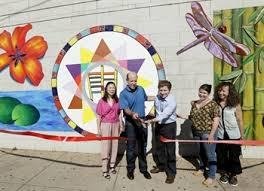
Event #1

Event Number 1

Lorem ipsum dolor sit amet, consectetur adipiscing elit. Maecenas lectus nunc, venenatis in ultrices ut, elementum sed ex. Quisque et augue aliquet, dictum massa non, luctus libero. Donec et lacus dignissim, suscipit lectus eu, feugiat libero. Sed posuere malesuada felis, ut vulputate mi pellentesque non. Morbi sit amet dui sollicitudin, hendrerit lorem fermentum, consequat ipsum. Lorem ipsum dolor sit amet, consectetur adipiscing elit. Nulla sed fermentum lacus, quis auctor velit. Aliquam sit amet eros lectus. Vivamus facilisis velit nisi, et malesuada dui accumsan vel. Pellentesque blandit elementum finibus. Pellentesque ut dictum nisi, at tincidunt sem. Sed sit amet ligula eu mi varius mollis at vel ipsum. Vestibulum ante ipsum primis in faucibus orci luctus et ultrices posuere cubilia Curae; Etiam dui lorem, aliquet a porta a, ullamcorper ut lectus.

Logan Square: Tackling Sustainability & Gentrification

Authors: Shereen Al-Sawwaf, Nick Eklund, Atrician Lumumba and Kuba Sokolowski.

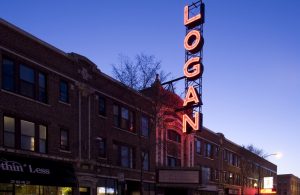
Picture credit: Logansquarechicago.com

Located on the Northwest Side of Chicago, Logan Square has seen its streets transform from a hub for European immigrants to a center of Latino culture in Chicago to a trendy nexus of gentrification. In recent years, the city has invested time and energy into making Logan Square a destination for sustainability, as well. An important issue moving into the future of this historic district will be how the push for a resilient and sustainable neighborhood intersects with ongoing polemical socioeconomic transformations.

One current sustainable design program for Logan Square is the aptly-named Logan Square Open Space Plan. Logan Square once had the second-smallest amount of open space in the entire city. As such, this plan recommended the addition of fifteen acres of open space through various means, primarily by creating park space from bits of an abandoned rail line and vacant lots. This was a shift from the boulevard-centric way in which open space was created in the past. Before the Logan Square Open Space Plan, fifty percent of the community area’s open space acres were passive areas that were part of the boulevard system. The 2004 plan was a step towards active and conscious open space implementation and design which reimagined the way urban residents interact with green space which was preceded by the CitySpace program, which converted public schoolyards into green spaces.

Logan Square also includes the Green Exchange, allegedly the nation’s largest green business community. The Green Exchange building is a refitted historic lamp factory on Diversey Avenue with a platinum LEED rating. It is home to a variety of enterprises dedicated to sustainability and boasts environmentally friendly amenities such as a green roof and an organic sky garden. The energy sustainability of the building complements these features as the building itself is designed to consume twenty-two percent less electricity than other buildings its size.

Further improvements to sustainability might include efforts to switch to more compact settlements by converting many of the single-family homes into apartment buildings and increasing the proximity of resources so that residents don’t have to travel by car as frequently. Another approach would be to make biking more accessible and safer. This could be done by increasing the number of protected bike lanes. Currently, Logan Square has a good amount of bike lanes that could be used more frequently if they were safer. By providing protected bike lanes, people who are afraid of being hit by cars are more likely to ride their bikes and decrease carbon emissions. Additionally, other incentives such as discount Divvy subscriptions should be provided to frequent bike riders to increase the sustainability of Logan Square.

As important as sustainable design is Logan Square’s future, it is important that this push for sustainability be cognizant of another major factor at play in the neighborhood: that of gentrification. Historically, the inexpensive housing in Logan Square has made it an affordable destination for Scandinavian, Eastern European, and Latino immigrants over the generations, this affordability—combined with the neighborhood’s central location along the Blue Line and its rich architecture—has made it a hotspot for twenty-first century gentrification. As a result, the last fifteen years have seen Logan Square lose more Hispanic residents than any other Community Area in Chicago while the white population has increased. Teardowns of old buildings, new developments, and the threat of rising rents have slowly encouraged many Latino residents to head west to more affordable neighborhoods such as Hermosa and Belmont-Cragin. When considering the concepts for new development, it’s important to keep in mind this vulnerable population of long-term residents. Will new construction cater to their needs or be complicit in transforming the neighborhood to the point that it is no longer affordable? Such questions can even target sustainable developments like the aforementioned Green Exchange. While it is an admirable adaptive reuse of an industrial space, it is part of a wider narrative within the neighborhood: the employment rate of Logan Square residents in the production and manufacturing sector was 44 percent higher than the citywide average in 2010, suggesting a dependency of the local working class on such jobs. While developments like Green Exchange work wonders for the sustainable potential of the area and bring in new jobs for policymakers, environmentalists, and engineers, what is the extent of their benefit for existing residents of the neighborhood?

Logan Square is a community area at the forefront of change in Chicago. While not an issue unique to Logan Square, gentrification continues to change the overall makeup of the community area from the people to the buildings to the culture. Sustainability efforts are widespread in Logan Square. However, re-development projects also have the potential to enhance the effects of gentrification. Thus, Logan Square is in a critical position, needing to navigate between promoting the furthering of Chicago’s overall sustainability while ensuring those native to the community area can retain their homes, culture, and everyday lives.

Sources:

Logan Square, History of Logan Square: https://logansquarechicago.com/history-of-logan-square-chicago/

City of Chicago, Sustainable Development: https://www.cityofchicago.org/city/en/depts/dcd/supp_info/logan_square_openspaceplan.html

Chicago Stories, Sustainability:

http://chicagostories.org/sustainability/

DNA Info, Logan Square’s Hispanic Population Dropped by 19000 Since 2000

https://www.dnainfo.com/chicago/20160516/logan-square/logan-squares-hispanic-population-dropped-by-19000-since-2000/

Block Club Chicago, Logan Square Activists to March for Development Without Gentrification

https://blockclubchicago.org/2018/10/16/logan-square-activists-to-march-for-development-without-gentrification/

Food Lovers’ Guide to Near West Side

Authors: Sarah Mason, Ashley Diaz, Tim Hoang and Abigail Kuchnir.

A thriving restaurant culture can be a marvelous asset to a community area.  Restaurants that draw people from across the city and attract dollars provide key financial capital and connect the neighborhoods to broader Chicago.  Restaurants with outdoor seating or with a steady stream of folks entering and exiting provide “eyes on the street” and make the sidewalk vibrant, making pedestrian journeys safer and more pleasant.  Restaurants can reflect healthy diversity and can be a local steward of community, especially since the best restaurants are local businesses that keep resources in the region.

The Near West Side has an exciting and varied restaurant scene, including ethnic cuisines, student haunts, and fancy joints.  The variety and quality of places to eat here reflect the community and help it welcome neighbors from around the city.  Check out a few of our favorites below, and go explore the options for yourself!

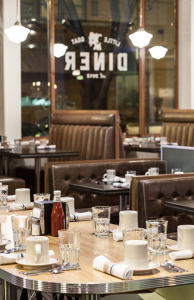
Little Goat Diner

820 W Randolph St, Chicago, IL 60607

 The chef behind famed Chicago eatery Girl and the Goat creates diner-style eats with plenty of creative twists at Little Goat.  With a more affordable menu and casual atmosphere but all the panache of its sister restaurant, you will catch students, families, and tourists munching at Little Goat during weekend brunch.  Try the Chop Chae, a burger on a bed of glass noodles topped with an egg sunny-side-up, and be sure to finish your meal with a Ooey Gooey Cinnabun.


 Image courtesy of Little Goat Diner

 Au Cheval

800 W Randolph St, Chicago, IL 60607

Over the past three years, Au Cheval has become the spot for a top quality cheeseburger in the Near West Side. Every day, the restaurant sells about 400 cheeseburgers and up to 500 on the weekends. The burger itself, is a masterpiece and only uses the highest quality ingredients. The patty itself is made with prime beef, cooked to medium and then topped with american cheese which melts over the top. The buns are delivered, fresh everyday and toasted to order to add that extra crunch to every bite. Put the two together and top it off with dijonnaise, a fried egg and their famous thick-cut peppered bacon. All together, you get a culinary masterpiece but make sure to get there before dinner time to avoid the average 3 hour wait time. Au Cheval is a must-try and adds its own unique vibe to the foodie culture of the Near West Side neighborhood.


 Source: Pinterest – Au Cheval Chicago

La Sirena Clandestina

954 W Fulton Market Chicago, IL 60607

In an area that is both busy and loud, La Sirena Clandestina has managed to make a quiet and intimate setting that has both locals and visitors craving more Brazilian flavors. The translation of the name to “hidden mermaid” serves a a clue for the type of atmosphere that Chef John Manion aimed to create as he drew from his experiences of growing up in Brazil. This restaurant is  the pricier side for the area, but the food is well-worth the extra money. Stop by for Brunch and enjoy the delicious Empanadas or something sweete like Doughnuts. Want more of a lunch? No problem. Have the Steak and Egg (picture below) to get a tasty start to the afternoon. True to its Brazilian roots, Frango a Passarinho is a huge dinner time favorite and is Fried Chicken with chili, lime, and garlic. La Sirena Clandestina has much to offer the area from wonderful food to a perfect calm setting that is perfect for larger groups. The place is usually packed, so it is best to try to get a reservation. However, if you can’t avoid having to wait, take advantage of the bar and treat yourself to some fine wine.

Source: La Sirena Clandestina


161 N Jefferson St, Chicago, IL 60661
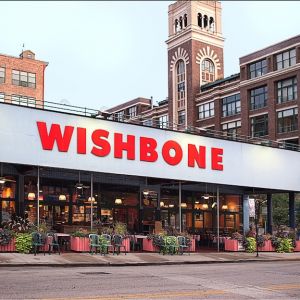
Wishbone

Located in the West Loop, Wishbone is your go-to spot for awesome southern cooking. The restaurant’s founder is actually from New Jersey, but developed a deep affection for North Carolinian grandparents’ cooking. Having worked in restaurants since he was fifteen, he eventually attended culinary school and after working in restaurants in New York and San Francisco, he finally opened Wishbone in Chicago. The menu reflects his passion for good food and southern flavor. For brunch, they have the classic waffles and pancakes and other sweet fare. But where they really shine is in their unique savory dishes. If you prefer adventurous and bold dishes, this is the spot for you. Their brunch menu features blackened catfish, black bean cakes, crawfish cakes, and chicken andouille hash.  Come in for lunch or dinner, and you’re treated to more cajun fares from Po’ boys to shrimp and grits. Overall, this restaurant gets a big thumbs up. They are closed at the moment as they are moving six blocks, but as soon as they open again, you can bet the crowds will return.

Source: ChooseChicago

Final Thoughts

The Near West Side is home to many restaurants from a variety of cultural backgrounds and deep history that have found a community in our neighborhood. Little Goat Diner, Au Cheval, La Sirena Clandestina and Wishbone are just a few of the frequented restaurants that help bring together the community and tourists alike to enjoy some good food. During dinner time, the lines are out the door and the aroma of food permeates the air. If you ever find yourself exploring the neighborhood, be sure to keep your options open and satisfy your cravings. If you name it, Near West Side probably has it.

Bibliography and Sources:

  1. I tried a burger that’s called one of the best in America – here’s the verdict: https://www.businessinsider.com/review-of-au-cheval-cheeseburger-2016-7
  2. Why People Wait for Hours to Eat Au Cheval’s Cheeseburger – https://chicago.eater.com/2015/4/15/8393037/au-cheval-burger-week-the-hot-dish
  3. LA SIRENA CLANDESTINA: http://www.lasirenachicago.com
  4. La Sirena Clandestina- https://checkplease.wttw.com/restaurants/la-sirena-clandestina

A Day in Bridgeport

Authors: Sarah Chan, Ridgley Knapp, Luke Pluta-Ehlers and Rouqi Yan

Although 24 hours is not nearly enough time to explore the unique offerings of Bridgeport, we have got a locally designed itinerary to help you make the most of your trip to this Chicago’s near South Side working-class neighborhood full of historical and art significance. We hope you enjoy!

Morning

7 am – Rise and Shine: How to get to Bridgeport

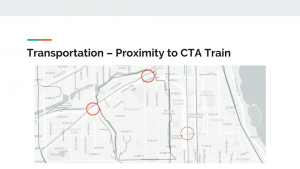
While a 7 AM start is highly unfavorable to the average person, an early beginning to your day will be highly worth it. Easily accessible through most modes of transportation, one can reach Bridgeport through CTA (the Orange Line “L” train to Halsted, Red Line “L” Train to Sox/35th, Bus #62 to Archer, and Bust #24 to Wentworth). In addition, Bridgeport is located off the Stevenson Expressway, as well as the I-90 if one is driving. Estimated travel time is only 16 minutes from downtown (an approximated $15.00 taxi fare if you’re feeling particularly sleepy)! There’s a lot to do today, so get started!
7:30 am – Rowing on the River
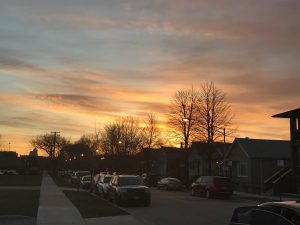
 

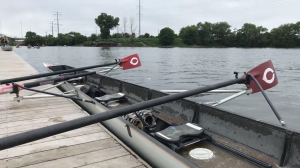
A recent addition to Bridgeport is the Eleanor Street boathouse, located in Park #571 at the northwest corner of the community area, where Bubbly Creek splits off from the south branch of the Chicago River. The boathouse, an ambitious project by the city designed by Jeanne Gang – of North Residential Commons fame – opened in December of 2016, and since then has become the home of several community rowing and fitness programs.
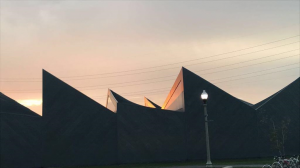
While competitive programs like St. Ignatius High School & our own University of Chicago crew train out of the Eleanor Street Boathouse, community programs that serve Bridgeport and the great Chicago community also share the space. One such program, Recovery on Water (ROW), is a rowing team specifically dedicated to helping survivors of breast cancer stay fit in a social environment. Yoga and general fitness classes are also offered – whether you’re on the water or stretching inside, start your day off right at Eleanor Street!
9 am – Much Needed Morning Brew: Bridgeport Coffeehouse

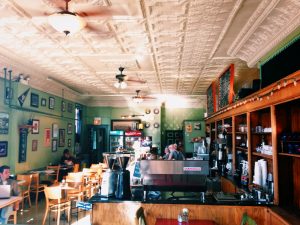
Next stop: coffee. Just a 10-minute walk from the docks is Bridgeport Coffeehouse, located on 31st Street and Morgan. The South Side of Chicago is where this wonderfully cozy cafe roasts and serves its directly imported fine coffees – with locations in Bridgeport, Hyde Park, South Loop, and Michigan and Jackson. Open 6am-9pm Mondays through Fridays, one can do some light work and enjoy a peaceful start to your morning.
Source: http://www.chicago-coffee.com/2014/05/bridgeport-coffeehouse.html

10 am – Bridgeport Art Center

Located in the former Spiegel Catalog Warehouse, Bridgeport art center is a visually breathtaking place with high ceilings, exposed brick and big windows of impressive city views. The historic building of raw industrial style defines raw urban elegance and serves as a resource for imaginative minds.
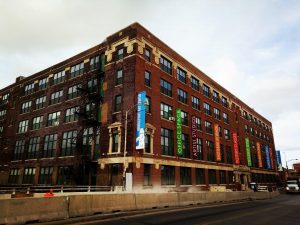
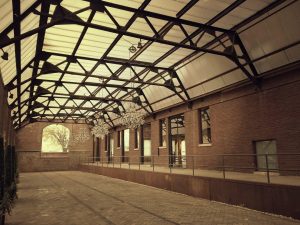
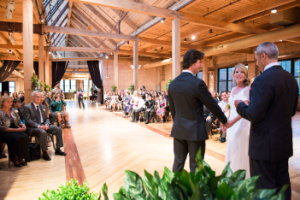
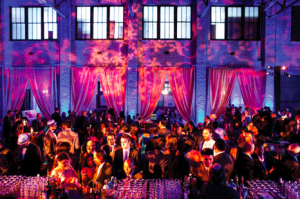
Bridgeport art center is a multidisciplinary place for creation, displays and events, which features three curated Art Galleries, artist studios, the Fashion Design Center, Chicago Ceramic Center, the Skyline Loft and a multitude of unique businesses. It has attracted a lot of artists and designers to work, create and share inspirations with peers. And the local residents are coming to studios for community art classes. Bridgeport Art Center also boasts two stunning event venues as the ultimate space for special events such as weddings, corporate meetings, parties or fashion shows. (Take a 360˚ tour to view the art center now.)
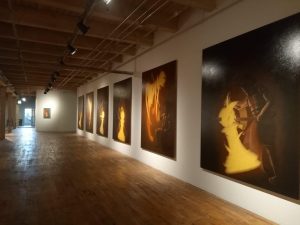
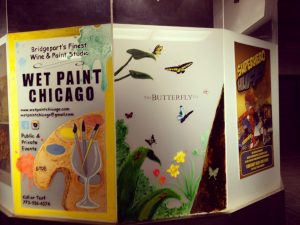
Source: Bridgeport Art Center Event Space

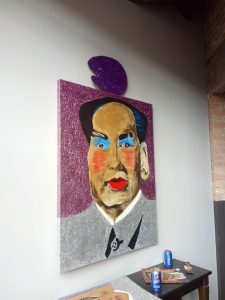
The artworks on display manifest the racial and ethnic diversity of Bridgeport. From the gallery on the third floor, there are paintings with Asian elements and Spanish title, which is a reflection of the population structure in this area.
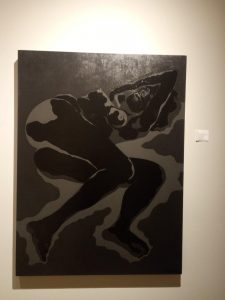
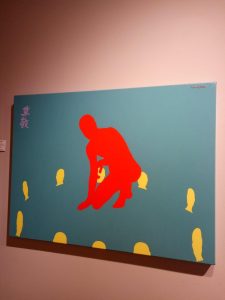
The paintings with Asian Elements                                         The painting with Spanish Title ALMA

Overall, this art center is embracing diversity in different forms and will always be a home to the emerging and evolving Chicago area art scene.

Afternoon

12 pm – lunch (Carbón)

There’s nothing more satisfying after a morning of exercise or strolling the art gallery (or both!) than some solid Mexican food, courtesy of Cárbon Live Fire Mexican Grill. While it’s location (under the elevated Stevenson at 26th and S. Princeton) may frighten off the faint of heart, Cárbon has the vibe you want in your local take-out place. And there’s even outdoor seating, protected from the view of the Stevenson – impressive as it might be – with a bright orange balcony!

Even though they opened up a second shop in West Town seven years ago, this Carbón is still the one folks know. If you think you can handle it, I’d recommend a Mother Clucker (that’s a burrito with half a chicken’s worth of meat) and horchata. You’ll hardly be able to walk afterwards, but in the best possible way. For the less ravenous, I’d recommend the steak burrito – the Tribune named it one of the 20 best in Chicago!

2 pm – Palmisano Park: An Unconventional Gem

Visitors hoping to find unconventional natural beauty in an urban setting will be happy to explore Palmisano Park.  Located on South Halsted and 29th Street, Palmisano Park is near the athletic facilities at McGuane Park and a variety of restaurants. Visitors climb up a steady incline past freely-growing plants to reach a clean-cut, green plateau.  Once at the top, visitors can enjoy a quiet meadow, isolated from the bustling street, with stunning views of downtown Chicago.  Surrounded by unpaved rock paths and wild stretches of tall grass, the park is its own unique place within Bridgeport.
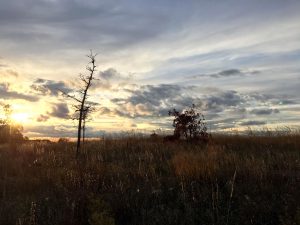
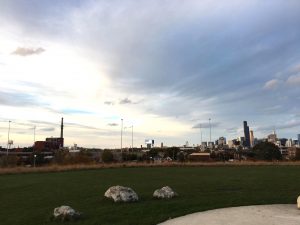
The two sides of Palmisano Park, the wild passages and clean-cut meadow

Descending the north side, visitors traverse winding paths to reach a striking pond in a quiet corner of the park.  This pond’s rock face back wall originates with its 140 year-history as a limestone quarry.  Eventually discontinued as a quarry and used as a landfill, the pond was finally cleaned up in the 1990’s, and now serves as a destination for fishing while facilitating wildlife in the adjacent wetland.
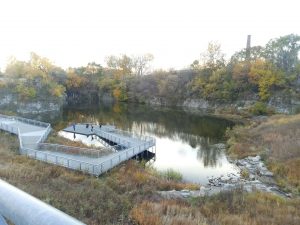
The pond that was formerly Stearns Quarry, now welcomes visitors to enjoy its unique structure.

Community efforts to remake Stearns Quarry helped clean out the lake and build a new hill populated with native plants. The result is Palmisano Park one of the most innovative and special green spaces in Chicago, and Bridgeport’s own ecological gem.

3 pm – Afternoon Snack: Bridgeport Bakery!

After your long stroll in the park, enjoy a warm coffee paired with the best of Bridgeport’s delicious baked treats as a pick me up. Located at 2907 S. Archer Avenue, you can find this neighborhood favorite and Polish shop known for its maple bacon donuts. Described as “Real humans running a delicious operation,” it goes without saying that this petite and quaint bakery is anything but sterile and a true local spot to visit.
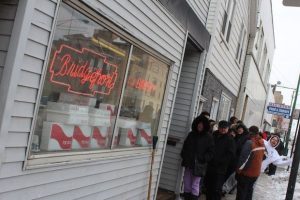
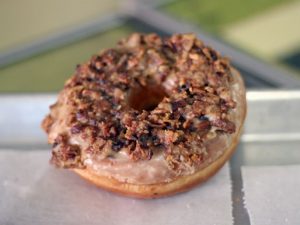
Source: https://www.dnainfo.com/chicago/20140303/bridgeport/bridgeport-bakery-expects-record-crowd-for-paczki-day/

Evening

7pm – Let’s Play Ball!

Last but not least, head over to the Guaranteed Rate Field, just a 15-minute walk East at most to see Bridgeport’s beloved White Sox play! Although the stadium is not within the formal constraints of Bridgeport’s community area, Bridgeport residents have had a long history and support with the White Sox, and in fact, it is the neighborhood that the baseball players have most identified with. Whether it’s grabbing some cracker jacks or a hot dog, sit down and enjoy an evening full of spirit and excitement!
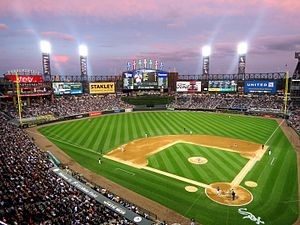

Source: https://en.wikipedia.org/wiki/Guaranteed_Rate_Field

If by the end of this fun-filled, action-packed day you’re still not convinced of the wonders of Bridgeport, then you must come back and keep on exploring. Bridgeport is not only a part of a vibrant artistic movement on the South Side, but it is also a growing culinary and social hotspot. While there are many developments to look forward to, one should visit this community area to reminisce in a small neighborhood that continues to house industrial and political importance.

Bibliography / Resources:

Bridgeport Transportation

Bridgeport Coffee

Bridgeport Art

Bridgeport Bakery

Carbón

Recovery On Water (ROW)

White Sox Help Out in Bridgeport

Find a piece of Asia on Argyle

Authors: JP Castella, Mira Koster, Kristen Lubawski, Emily Orenstein and Beatriz Shaver.

The History

Uptown has historically been a first destination for immigrants. This tradition stretches all the way back to the 1940s and 50s, when the neighborhood’s declining economic fortunes lowered rents dramatically and made Uptown an affordable point of entry for newcomers to Chicago. Uptown’s high concentration of social service organizations served as a landing pad for generations of immigrants and refugees, as well as Americans down on their luck. These organizations included the following: soup kitchens, homeless shelters, and later, refugee resettlement organizations.

In these decades, Native Americans and migrants from Appalachia settled in Uptown. In later years, diverse groups of immigrants from Latin America, Southeast Asia, Africa, and the Middle East established communities in Uptown. Today, Uptown’s highest profile immigrant group is the Southeast Asian community anchored around Argyle Street. The area is home to a large Vietnamese population, as well as Cambodian, Thai, and Laotian immigrants.

Today, Argyle Street has served as a pioneering example of the potential for redesigning Chicago’s public spaces to make them more people-friendly. Chicago’s first ‘shared street’ opened on Argyle Street in 2016. The design creates a number of advantages for the community including new space for sidewalk cafes and events.

The Community

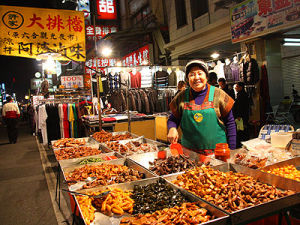
 Argyle Night Market, Argyle Street (Uptown Update)

Argyle serves as the community’s main shopping center, with Asian grocery stores and restaurants lining the block. The tradition of Asian businesses on Argyle began in the 1970s, when Chicago ‘restauranteur’ Jimmy Wong planted the seeds for a “New Chinatown”. Wong and his friends purchased nearly 80% of the properties along Argyle Street around the L stop, and rented them out to Chinese and Vietnamese business owners. In 1979, a friend of Wong’s named Charlie Soo successfully petitioned the city to spend over $250,000 on a renovation of the Argyle L stop that included a Chinese-style pagoda roof. Soo, who was known as the “Mayor of Argyle Street”, also founded the Taste of Argyle street festival, a tradition that has continued for over 30 years.

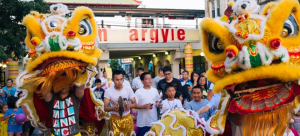
Lunar New Year Parade (All Events In)

Today, Uptown is a major hub of Southeast Asian culture. In addition to the Taste of Argyle, Argyle Street hosts the Argyle Night Market and the Argyle Lunar New Year Parade. The Buddhist Temple of Chicago is located in Uptown. Public artwork in the Argyle section of Uptown celebrates its Asian heritage. Local artist Ginny Sykes’ “East Meets West” mural, which can be found on Argyle and Broadway, celebrates the peaceful coexistence of Asian immigrants’ cultural traditions with those of the rest of Uptown’s diverse population.

“East Meets West” mural (LISC Chicago)

Brother Mark Elder’s “Roots of Argyle” mural, located on Winthrop and Argyle, depicts 120 years of Uptown immigration history, as well as key historical figures like Jimmy Wong and Charlie Soo. The mural takes the viewers through give generation periods. If one pays close attention, one can even see the depiction of a ship similar to one taken by immigrants upon travelling to the United States.


“Roots of Argyle” Mural (Explore Uptown)

Visit Uptown’s Asia on Argyle

Uptown is the combination of a love for conserving, promoting and sharing culture in the form of a neighborhood. As one walks down an avenue in Little Vietnam, one can engage with the current, and historical, cultural diversity. The local traditions and heritage have not been lost as it has been preserved in a mural and events continue to be held each year. It is our hope that this beautiful community will continue to prosper in the years to come as newcomers immediately find a piece of home in Chicago, and visitors continue to appreciate its beauty.

Sources:

Chicago Tribune Jimmy Wong 1914-2001

Chicago Tribune Charlie Soo 1945-2001

Explore Uptown Asia On Argyle

Explore Uptown Community Arts

Chi Streets Blog Shared Street

DNA Info, Chicago‘East Meets West’ Mural Being Installed on Argyle Street in Uptown (Additional reading on the mural included!)

Building Information Modelling, a new trajectory in developing Smart Cities

Image Credit: area-info.net

FIRST: Watch this exclusive video. Click here >>> Building Information Modelling

Building information modeling is a process involving the generation and management of digital representations of physical and functional characteristics of places. Building information models are files which can be extracted, exchanged or networked to support decision-making regarding a building or other built asset.

Building Information Modelling (BIM) is at the centre of a digital transformation of the construction sector and the built environment. Governments and public procurers across Europe and around the world are recognizing the value of BIM as a strategic enabler for cost, quality and policy goals. Many are taking proactive steps to foster the use of BIM in their construction sectors and public asset delivery and operations to secure these economic, environmental and social benefits. This handbook responds to the growing challenges faced by governments and public clients to
stimulate economic growth and competitiveness while delivering value for public money through the wider introduction of BIM.

BIM is a digital form of construction and asset operations. It brings together technology, process improvements and digital information to radically improve client and project outcomes and asset operations. BIM is a strategic enabler for improving decision making for both buildings and public infrastructure assets across the whole lifecycle. It applies to new build projects; and crucially, BIM supports the renovation, refurbishment and maintenance of the built environment – the largest share of the sector.

(Content from the EU Commission Handbook for the introduction of Building Information Modelling by the European Public Sector. Access a full text document from: http://www.eubim.eu/downloads/EU_BIM_Task_Group_Handbook_FINAL.PDF)